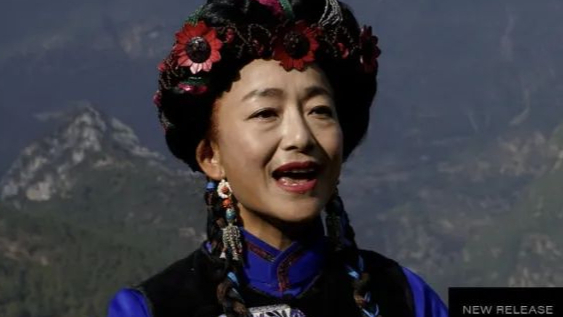
Naxi Ethnic Group
Introduction
The Naxi ethnic group is an indigenous community primarily residing in the northwestern part of Yunnan province in China. Known for their rich cultural heritage, the Naxi people have established a unique identity through their artistic expressions, traditional music and dance, language, and religious practices. Lijiang, a city that is home to a significant population of Naxi people, is a UNESCO World Heritage Site renowned for its picturesque landscapes and vibrant cultural tapestry. The Naxi are celebrated for their Dongba script, a pictographic writing system still in use today, which serves as a testament to their ancient traditions and cultural resilience.
History
The history of the Naxi ethnic group is deeply intertwined with the broader historical and cultural developments of Yunnan province. Historically, the Naxi people have been influenced by various neighboring ethnic groups, such as the Han, Tibetan, and Bai, leading to a mosaic of cultural practices. The Naxi established themselves as a significant cultural and economic force in the region, particularly around Lijiang. This strategic location became a hub for trade routes, including the renowned Ancient Tea and Horse Road. Over centuries, the Naxi have maintained their cultural identity through the preservation of their language, customs, and traditions, despite external influences and historical upheavals.
Culture
Language
The Naxi language, part of the Sino-Tibetan language family, is an integral aspect of the cultural identity of the Naxi people. The language encompasses both spoken and written forms, with the Dongba script being the most distinctive feature. This pictographic system comprises thousands of symbols and is used primarily for religious texts and rituals. Despite the challenges of modernization, efforts continue to preserve and revitalize the language among the younger Naxi generations, ensuring that this cornerstone of Naxi heritage remains vibrant.
Naxi Scripts
The Naxi people have developed a unique system of writing known as the Dongba script. This script is one of the world's few remaining pictographic writing systems and is central to the cultural and religious life of the Naxi. Used primarily by Dongba priests, the script records religious texts, mythology, and rituals. The preservation and study of the Dongba script are essential for understanding the historical and cultural narratives of the Naxi people and their spiritual worldview.
Traditional Music and Dance
Music and dance are vital cultural expressions within the Naxi community, serving both ceremonial and recreational purposes. The Naxi traditional music is a revered form that combines singing, dancing, and instrumental performances. This music often accompanies various rituals and celebrations, reflecting the community's spiritual and ethnic life. The musical compositions have been passed down through generations, maintaining their traditional structure and offering insight into the Naxi's cultural ethos.
Festivals
Festivals play a crucial role in the social and cultural life of the Naxi people, providing opportunities for community bonding and cultural expression. These festivals often feature traditional music, dance, and rituals that reflect the Naxi's connection to their ancestral traditions and the natural world. Celebrations are occasions to honor deities, mark seasonal changes, and reinforce social ties within the community. Through these vibrant festivals, the Naxi people continue to sustain their cultural heritage and pass it on to future generations.
Art
Naxi art encompasses a wide range of creative expressions, from intricate paper-cuttings and embroidery to traditional painting and sculpture. These art forms are deeply rooted in the community's cultural and religious practices, often depicting themes from nature, mythology, and daily life. Artists like Shi Qinling have gained recognition for their contributions to preserving and innovating traditional Naxi art forms, ensuring their relevance and appreciation in contemporary contexts. The artistic heritage of the Naxi people is a testament to their creativity and cultural vitality.
Social Structure
Family and Clan Systems
The social structure of the Naxi is traditionally centered around the family and clan systems, which play a significant role in community life and governance. Family ties are strong, with extended families often living together or in close proximity. Clans, typically led by elders or chieftains, provide a framework for social organization and cultural continuity. These systems facilitate the transmission of customs, traditions, and social values, ensuring the stability and cohesion of the Naxi community. The family and clan systems also support collective decision-making and conflict resolution, reinforcing the communal bonds that are vital to Naxi society.
Economy
Traditional Economic Practices
Historically, the Naxi economy has been based on agriculture, animal husbandry, and trade. The fertile lands of Yunnan province have supported the cultivation of crops such as rice, wheat, and barley, while livestock rearing has provided additional sustenance and income. Trade routes, including the Ancient Tea and Horse Road, facilitated economic exchanges with neighboring regions, enhancing the Naxi's economic resilience and cultural interactions. These traditional economic practices continue to influence the contemporary livelihoods of the Naxi people, integrating cultural heritage with modern economic activities.
Modern Economic Developments
In recent years, the Naxi community has embraced various modern economic developments, particularly in the tourism and service sectors. Lijiang, a major Naxi cultural hub, has become a popular destination for both domestic and international tourists, drawn by its rich cultural heritage and picturesque landscapes. The growth of tourism has provided new economic opportunities, leading to the establishment of homestays, cultural exhibitions, and handicraft markets. These developments have contributed to improved living standards for the Naxi while also posing challenges related to cultural preservation and sustainable development.








